Walk through the Marina in Limassol or the historic streets of Old Nicosia, and you'll see a change. The traditional, bulky cash registers of the past are disappearing, replaced by sleek, cloud-powered tablets.
In 2026, the question for Cypriot restaurateurs is no longer *if* they should move to the cloud, but *when*. The benefits, from cost savings to operational agility, are simply too significant to ignore.
What is a Cloud POS?
Unlike legacy systems that require an expensive on-site server and manual backups, a Cloud POS (Point of Sale) system stores all your transaction and inventory data on secure, remote servers. This means you can access your business data from your phone at home, your tablet at the restaurant, or your laptop while traveling.
7 Key Benefits for the Cypriot Hospitality Industry
Table-side Mobility
Take orders directly at the table in Paphos or Limassol. Instant syncing with the kitchen means faster service and happier diners.
Reliable Offline Mode
In the event of a local internet outage, Sally POS keeps running. Your data syncs automatically the moment you're back online.
Centralized Management
Manage multiple branches across Cyprus from a single dashboard. Update menus and pricing in Nicosia and Larnaca simultaneously.
Local Compliance
Stay ahead of Cyprus VAT requirements and local tax regulations with a system designed for the Cypriot market.
Real-time Analytics
Monitor your turnover, top-selling dishes, and staff performance from any device, anywhere in the world.
Seamless Payments
Accept contactless payments, mobile wallets, and QR-code orders natively without expensive third-party bridges.
Kitchen Efficiency
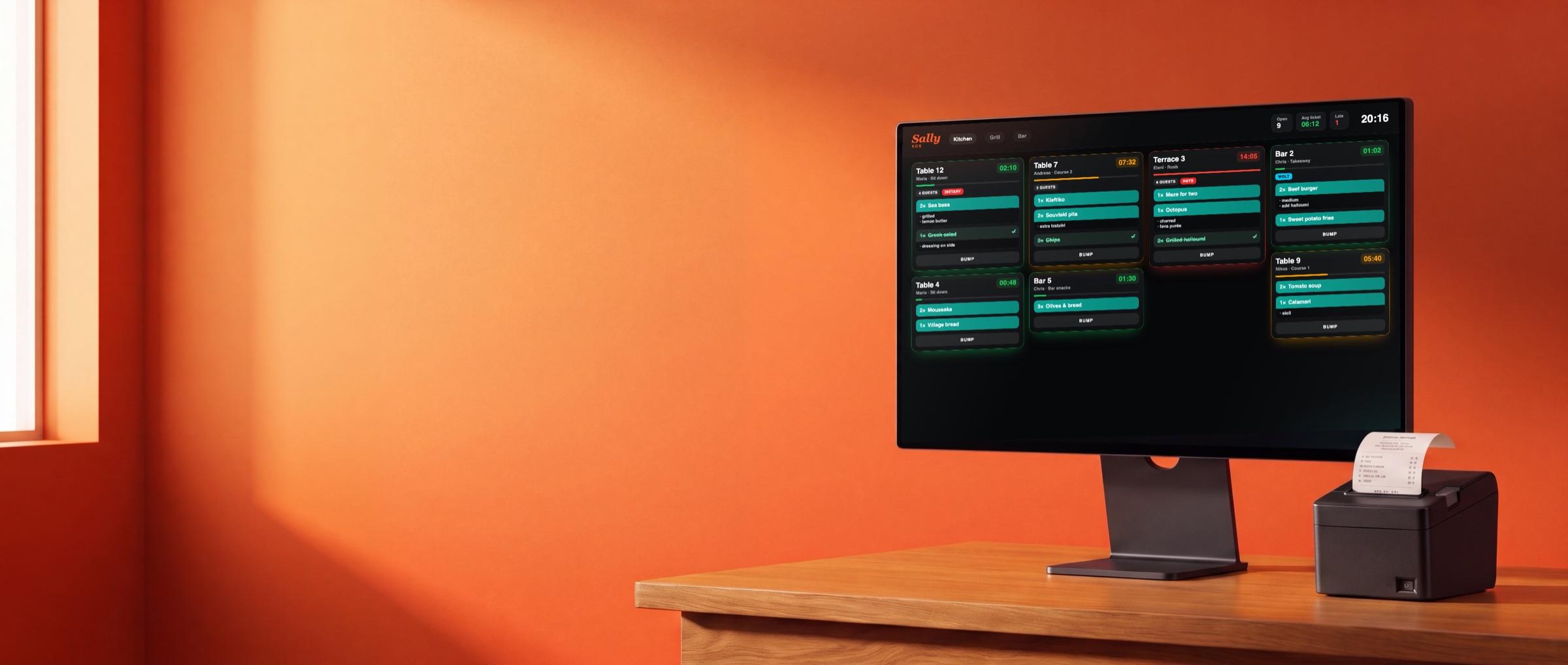
Reduce order errors with a Digital Kitchen Display System (KDS) that eliminates paper tickets.
The Competitive Edge in Limassol & Nicosia
The dining scene in Cyprus is more competitive than ever. With the rise of food delivery apps and changing consumer expectations, efficiency is the only way to protect your margins. Cloud systems like Sally POS allow you to identify slow-moving items, manage food waste, and optimize staff scheduling based on real-time traffic data.